

What We Make
Every Royal typewriter is built to do one thing well: put your words on paper with clarity and permanence. Whether you’re writing your first draft or your final copy, these machines are designed to work reliably, feel substantial under your hands, and last long enough to become part of your creative routine.
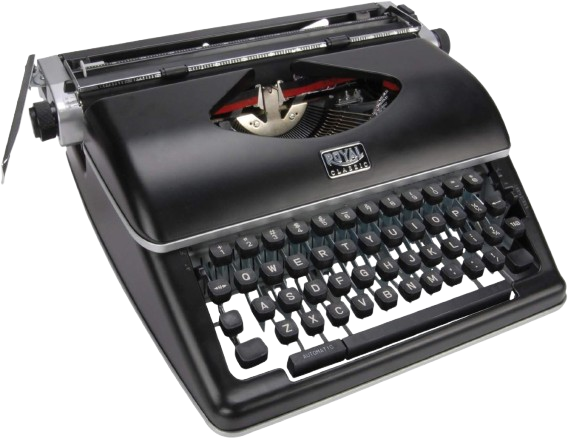
Consumer Information Products Classic Retro Manual Typewriter
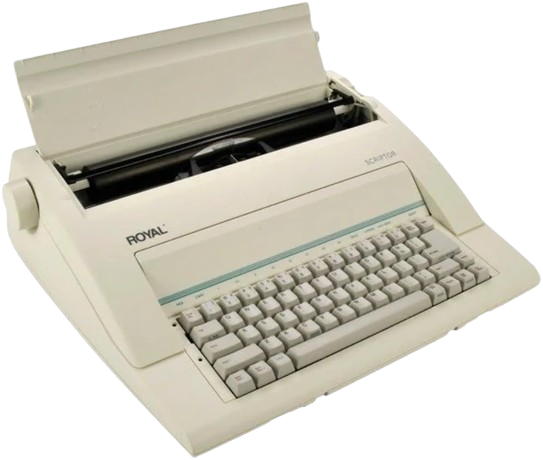
69149V Scriptor Typewriter
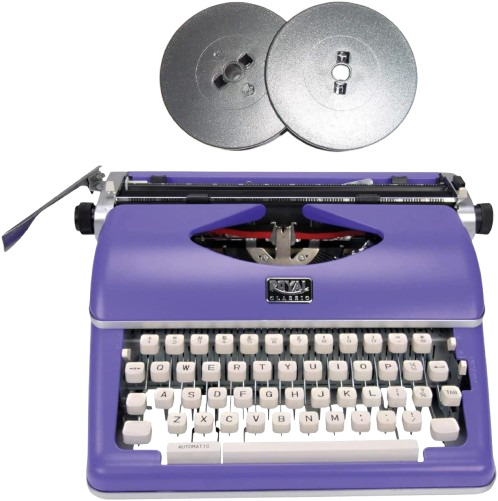
Classic Retro Manual Typewriter (Purple) Bundle
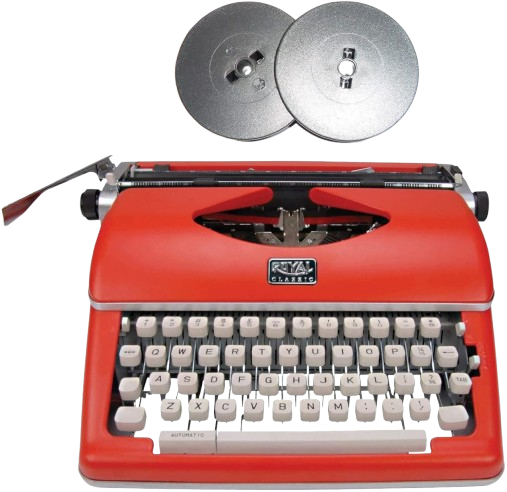
Classic Retro Manual Typewriter (Red) Bundle with Extra Ribbons
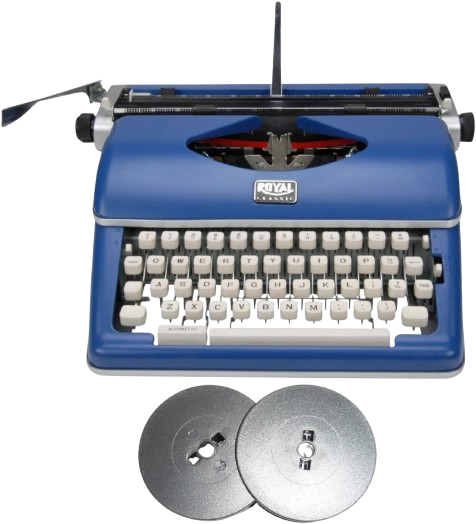
Consumer Retro Manual Typewriter – Vintage Classic Blue Design
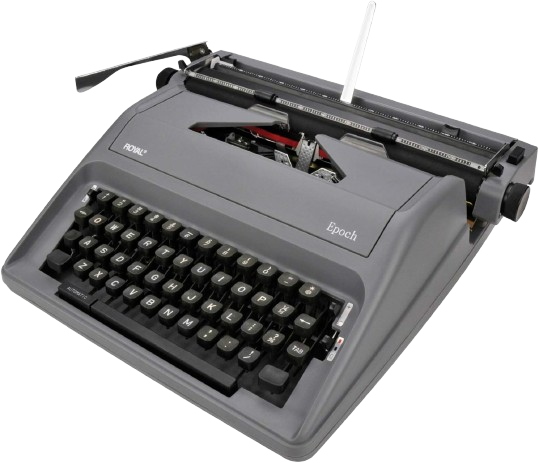
Epoch Classic Portable Manual Typewriter – Gray
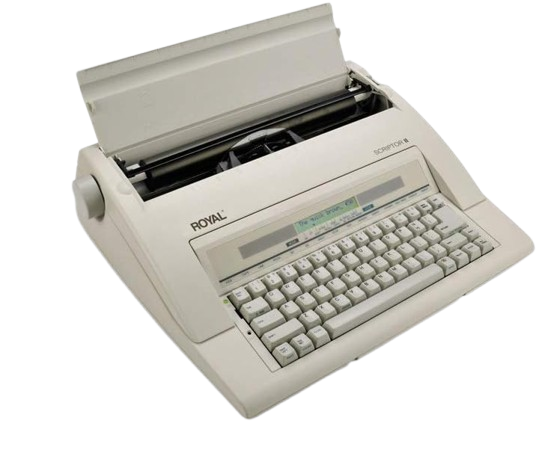
Scriptor II 69147T Electronic Typewriter, White
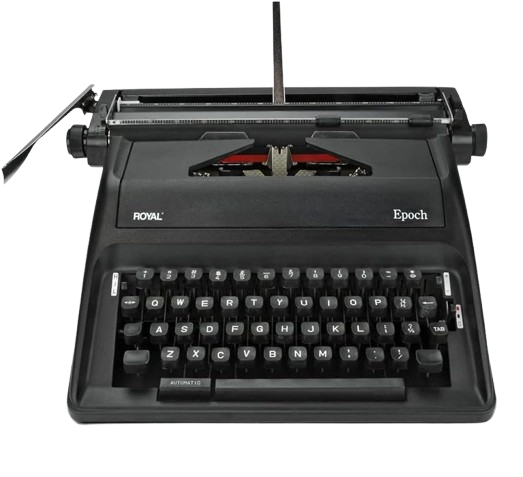
Manual Typewriter black
What Royal Delivers
Royal typewriters represent over a century of American manufacturing expertise, delivering mechanical precision and reliability that modern electronics can’t match.
Built to Last Decades
Royal typewriters are engineered with all-metal construction and precision mechanics that keep working long after cheaper machines fail. Many models from the 1950s still type perfectly today.
No Learning Curve
The keyboard layout and typing feel are immediately familiar to anyone who’s used a computer keyboard. You can sit down and start writing without consulting a manual or adjusting to strange key positions.
Works Anywhere, Always
No batteries, no software updates, no Wi-Fi required. Royal typewriters function in power outages, remote locations, and anywhere you need to put words on paper without depending on technology.
Stay in the Loop
Get the latest updates, tips, and stories delivered straight to the inbox.
Brands Simmilar to Botany 500
If you value authentic vintage tailoring and mid-century American craftsmanship, explore other classic menswear brands from the same era that share Botany 500’s commitment to traditional construction, timeless styling, and quality fabrics that have stood the test of time.

Maplefield typewriters represent a practical chapter in office equipment history, built for reliability over flash. These machines appealed to small businesses, writers, and home offices needing dependable tools at accessible prices. Collectors today appreciate their honest engineering and the glimpse they provide into mid-century work culture, when a typewriter symbolized productivity and independence.

The Oliver Typewriter Company stood out with its distinctive “downstrike” design, where typebars struck the platen from above rather than below. This visible typing mechanism allowed operators to see their work as they typed, a significant advantage in an era of blind typing. Oliver machines became popular among businesses and professionals who valued this transparency and the company’s reputation for durability.

Smith Corona became one of the most recognizable names in typewriter manufacturing, producing machines that balanced quality with affordability. From portable models that traveled with journalists and students to office workhorses, the brand adapted across decades of technological change. Smith Corona typewriters earned their place in homes, newsrooms, and businesses through dependable performance and accessible pricing that made typing technology available to a broad audience.

Olympia typewriters earned a reputation for precision engineering and build quality that set standards in the industry. German-crafted machines combined robust construction with smooth typing action, making them favorites among professional writers and demanding office environments. The brand’s attention to mechanical detail and durability created typewriters that often outlasted their contemporaries, cementing Olympia’s status among serious typists who valued performance and longevity.
Frequently Asked Questions
A quick guide to common questions about ordering, care, and support.
Most orders ship within 1–2 business days and arrive within 5–7 business days for domestic deliveries. International shipping times vary by destination and typically range from 10–21 business days. Tracking information is sent via email once the order has been dispatched.
Items can be returned within 30 days of delivery for a full refund, provided they remain in original condition with all packaging and accessories included. The return process begins by contacting customer service, who will provide a return authorization and shipping instructions. Return shipping costs are the responsibility of the customer unless the item arrives damaged or defective.
Regular dusting with a soft, dry cloth keeps surfaces clean and free from debris. For deeper cleaning, a slightly damp cloth may be used on metal and painted surfaces, followed by immediate drying. Moving parts benefit from occasional lubrication with a small amount of machine oil. Items should be stored in a cool, dry place away from direct sunlight and extreme temperatures to prevent deterioration.
All items come with a standard 1-year warranty covering manufacturing defects and mechanical failures under normal use. The warranty does not cover damage from misuse, accidents, or normal wear and tear. To file a warranty claim, customers should contact support with proof of purchase and a description of the issue.
Support is available via email and phone during business hours, Monday through Friday. Response times for email inquiries are typically within 24 hours. Phone support offers immediate assistance for urgent matters. Contact details can be found on the website’s contact page.
Have Questions?
Voices from the Royal Community
Whether you’re a novelist returning to analog writing, a collector restoring vintage machines, or someone discovering the tactile joy of typewriting for the first time, Royal users share a common appreciation for precision engineering and timeless craftsmanship.

Margaret T.
I bought the Royal Epoch for my newsletter work, and the ribbon change system is brilliantly simple. After thirty years of writing on laptops, there’s something clarifying about hearing each keystroke land on paper.

David K.
The Classic manual I ordered arrived perfectly adjusted right out of the box. I use it for first drafts of short stories—forces me to commit to each sentence instead of endlessly revising digitally.

Elena R.
My Royal Quiet De Luxe travels with me to every coffee shop. It’s compact enough for my messenger bag, and the keys have this satisfying weight that makes writing feel intentional again.
Where to shop Royal typewriters in 2026?
Find Royal typewriters on trusted marketplaces like eBay, Etsy, and specialized vintage retailers — many sellers offer professionally refurbished models with warranty coverage and detailed condition reports to ensure you get a machine ready to write.